
The Importance of Container Drayage in Logistics
In today’s fast-moving supply chains, the efficient movement of goods depends on more than just long-haul transportation. One of the...
 23 Apr 2026
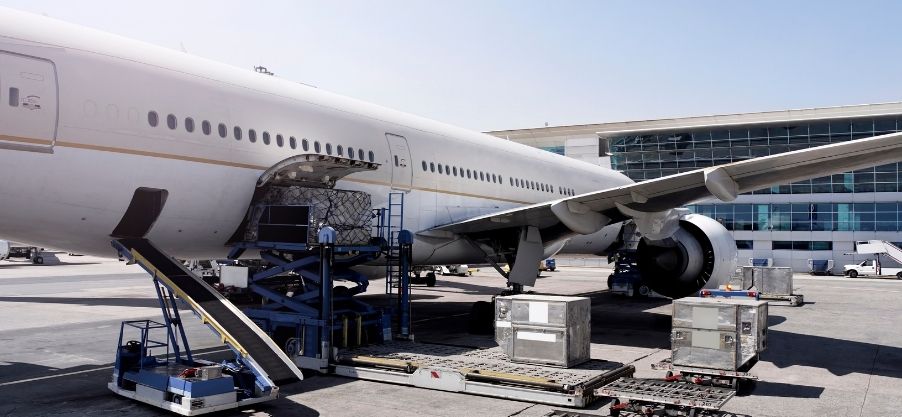
Air freight forwarding plays a critical role in modern global trade, enabling businesses to move goods quickly and efficiently across international borders. When speed, reliability, and precision matter, this method of shipping becomes the preferred choice for time-sensitive and high-value cargo.
Understanding the air freight forwarding process helps businesses make better logistics decisions, avoid delays, and ensure smooth shipment execution. In this guide, we break down each step involved so you know exactly how your cargo moves from origin to destination.
Air freight forwarding is the process of organizing and managing the transportation of goods by air through a logistics provider, known as a freight forwarder. Instead of handling shipments directly, the forwarder coordinates with airlines, customs authorities, and ground carriers to ensure cargo moves efficiently across the supply chain.
A freight forwarder acts as the central point of control, managing documentation, booking cargo space, handling compliance requirements, and overseeing delivery. This ensures shipments are handled efficiently and in accordance with international regulations, reducing the risk of delays or complications.
Air freight forwarding is widely used by businesses that require fast and dependable shipping solutions. Compared to other transportation methods, it offers significantly shorter transit times, making it ideal for urgent shipments or goods with strict delivery deadlines.
It also provides a higher level of security and reduced handling, which is important for sensitive or high-value cargo. With structured scheduling and global connectivity, businesses can rely on consistent transit times and improved shipment control, making air freight a practical choice for critical logistics needs.
Understanding each stage of the air freight forwarding process allows businesses to plan better, reduce risks, and ensure shipments move without unnecessary delays. Each step is interconnected, requiring careful coordination between shippers, freight forwarders, airlines, and customs authorities.
The process begins with evaluating shipment details such as cargo type, weight, dimensions, and delivery timeline. Based on these factors, the freight forwarder determines the most suitable service level and routing, then books space with the airline.
Proper planning at this stage is critical, as it impacts transit time, cost, and overall efficiency. A well-structured booking ensures optimal routing, availability, and cost control from the start.
Accurate documentation is essential for smooth air freight forwarding. This includes preparing the air waybill, commercial invoice, packing list, and any required compliance or regulatory documents.
Even minor errors in documentation can lead to delays or additional inspections. Careful preparation and verification help ensure faster processing, compliance, and uninterrupted shipment flow.
Once documentation is finalized, the cargo is collected from the shipper’s location and transported to a warehouse or consolidation facility. For smaller shipments, consolidation allows multiple shipments to be combined into a single load, improving cost efficiency.
This step ensures cargo is properly packaged, labeled, and prepared for air transport, maintaining handling efficiency and shipment integrity.
Before departure, the shipment must clear export customs. The freight forwarder coordinates with customs authorities to submit documentation and secure approvals for export.
Efficient handling at this stage helps prevent delays at the airport and ensures the cargo is fully compliant and cleared for international movement.
After clearance, the cargo is loaded onto the aircraft and transported to the destination. The freight forwarder manages flight schedules, routing, and coordination with the airline to ensure timely departure and arrival.
This is where air freight provides its biggest advantage, offering fast transit times and reliable scheduling compared to other shipping methods.
Upon arrival, the shipment undergoes import customs clearance. This includes document verification, duty and tax assessment, and any required inspections by authorities.
Proper coordination and accurate documentation help ensure the cargo is released quickly without unnecessary delays or penalties.
After customs clearance, the shipment is transported to its final destination. Depending on the service type, delivery may be door-to-door or arranged through a local carrier.
This final stage completes the process, ensuring the cargo reaches the consignee safely, on time, and in expected condition.
Proper documentation is a critical part of the air freight forwarding process, ensuring compliance with international regulations and smooth customs clearance. Missing or incorrect paperwork can lead to delays, additional costs, or shipment holds.
Some of the most important documents include:
Ensuring all documents are accurate and complete helps maintain efficient processing and smooth movement across borders.
While air freight forwarding is efficient, certain challenges can still impact shipment timelines and costs if not properly managed. Understanding these risks helps businesses plan better and avoid disruptions.
One of the most common issues is documentation errors, which can lead to customs delays or inspections. Capacity constraints during peak seasons can also affect availability and pricing. Additionally, regulatory requirements may vary by country, requiring careful coordination and compliance.
External factors such as weather conditions, airport congestion, and unexpected inspections can also influence transit times. Working with an experienced logistics partner helps minimize these risks and ensures better control over shipment performance.
A well-planned approach can significantly improve the efficiency of your air freight shipments. By focusing on key areas, businesses can reduce delays, control costs, and ensure consistent delivery performance.
Start by preparing accurate and complete documentation to avoid customs issues. Proper packaging is equally important, as it protects cargo and ensures compliance with airline handling requirements. Planning shipments in advance allows better routing options and helps avoid peak-season disruptions.
Choosing the right freight forwarder also plays a major role. An experienced partner can provide guidance, manage coordination, and ensure your shipment moves efficiently from origin to destination without unnecessary complications.
Selecting the right partner is a critical part of successful air freight forwarding. The right freight forwarder can streamline the process, reduce risks, and ensure your shipments move efficiently across borders.
Start by evaluating experience and industry knowledge. A forwarder with a strong track record understands routing, documentation, and regulatory requirements. It is also important to consider their global network, as reliable partnerships with airlines and agents ensure better flexibility and coverage.
Communication and transparency are equally important. A dependable forwarder provides clear updates, real-time tracking, and proactive coordination throughout the shipment lifecycle. Choosing a partner with strong operational control and visibility can make a significant difference in overall performance.
The air freight forwarding process involves multiple coordinated steps, from planning and documentation to customs clearance and final delivery. Each stage plays a key role in ensuring your shipment moves efficiently and reaches its destination on time.
By understanding how the process works and partnering with an experienced provider, businesses can reduce delays, improve reliability, and maintain better control over their logistics operations. With the right approach, air freight forwarding becomes a powerful solution for fast and dependable global shipping.
International logistics is the process of planning, managing, and executing the movement of goods across international borders. It involves transportation, customs clearance, documentation, and coordination across multiple regions and carriers.
It enables businesses to operate globally by connecting suppliers, manufacturers, and customers across different countries. Efficient logistics ensures timely delivery, cost control, and smooth supply chain operations.
Common challenges include complex regulations, customs delays, fluctuating shipping costs, and coordination across multiple stakeholders. Proper planning and experienced logistics support help minimize these risks.
Businesses can improve operations by planning shipments in advance, ensuring accurate documentation, using reliable logistics partners, and leveraging technology for tracking and visibility.
A logistics provider coordinates transportation, handles documentation, ensures compliance, and manages delivery from origin to destination. Their expertise helps businesses move goods efficiently and without unnecessary delays.
Stay informed with the latest insights, trends, and expert guidance from the world of logistics. From freight forwarding innovations to customs updates, our blog helps you navigate an industry that is constantly evolving with technology, regulation, and global demand.