Importing a Car into USA: The Vehicle Import Broker Guideline
Importing a car into the United States can be a valuable opportunity, whether for personal use, resale, or specialized vehicles...
 23 Apr 2026
In today’s fast-moving supply chains, the efficient movement of goods depends on more than just long-haul transportation. One of the most critical yet often overlooked components is container drayage—the short-distance transport that connects ports, rail yards, and distribution centers.
Without effective drayage, even the most well-planned logistics operations can face delays, congestion, and increased costs. As global trade continues to grow, container drayage plays an essential role in keeping cargo moving smoothly through every stage of the supply chain. In this guide, we explore what container drayage is, how it works, and why it is so important in modern logistics.
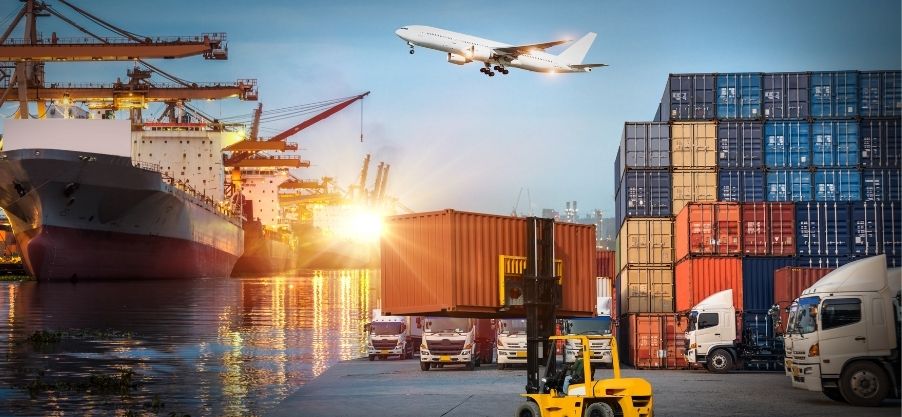
Container drayage refers to the short-distance transportation of shipping containers, typically moving freight between ports, rail terminals, warehouses, and distribution centers. While the distance covered is relatively small, this stage is a critical link in the overall logistics process.
Drayage is a key component of intermodal transportation, where cargo is moved using multiple modes such as ocean, rail, and trucking. It acts as the connector between these modes, ensuring that containers are transferred efficiently from one stage of the journey to the next.
Unlike long-haul trucking, which focuses on transporting goods over long distances, container drayage is focused on local and regional movements that require precise timing and coordination. Delays at this stage can impact the entire supply chain, making it essential for maintaining efficient cargo flow and timely deliveries.
Container drayage plays a critical role in connecting different stages of the supply chain. While it covers short distances, its impact is significant, as it ensures cargo moves efficiently between transportation modes and key logistics points. Without effective drayage, delays at ports or terminals can quickly disrupt the entire supply chain.
One of the most common uses of container drayage is transporting containers from ports to nearby warehouses or distribution centers. Once cargo arrives by ocean freight, it must be quickly moved out of the port to avoid congestion and additional fees.
Efficient drayage ensures containers are picked up and delivered promptly, helping businesses maintain smooth inventory flow and avoid costly delays.
Drayage is also used to move containers between rail terminals and local facilities. After long-distance transport via rail, containers require short-haul trucking to reach their next destination, such as a warehouse or fulfillment center.
This step is essential for maintaining continuity in intermodal shipping, ensuring cargo transitions seamlessly between rail and road transport.
Container drayage acts as the link between different transportation modes, including ocean, rail, and trucking. These transitions require precise coordination to ensure containers are transferred without delays or misalignment in scheduling.
Effective intermodal drayage helps maintain consistent cargo movement across multiple transport stages, reducing bottlenecks and improving overall efficiency.
The final stage of many shipments involves delivering containers from a local hub to their final destination. This last-mile movement is often handled through drayage, especially when containers are transported directly to warehouses, retail locations, or job sites.
Timely last-mile delivery ensures that goods reach their destination as planned, supporting reliable operations and customer satisfaction.
Container drayage is not a one-size-fits-all service. Depending on the shipment’s origin, destination, and transportation method, different types of drayage are used to ensure efficient cargo movement. Understanding these variations helps businesses choose the right solution for their logistics needs.
Port drayage involves transporting containers from a seaport to a nearby warehouse, distribution center, or rail terminal. This is one of the most common forms of drayage, as it connects ocean freight with inland transportation.
Timely port drayage is critical for avoiding congestion and minimizing fees such as demurrage, ensuring containers are moved quickly out of port terminals.
Rail drayage focuses on moving containers between rail yards and local destinations such as warehouses or distribution hubs. After long-distance rail transport, drayage ensures the container reaches its next point efficiently.
This service plays a key role in intermodal logistics, supporting seamless transitions between rail and trucking.
Inter-carrier drayage involves transferring containers between different carriers or transportation providers. For example, a container may need to be moved from one rail company’s terminal to another’s facility.
This type of drayage requires precise coordination to maintain scheduling and avoid delays, ensuring smooth handoffs between transportation providers.
Door-to-door drayage provides end-to-end container movement from the port or terminal directly to the final destination. This service simplifies logistics by combining multiple steps into a single coordinated process.
It is ideal for businesses looking for a streamlined solution that minimizes handling and improves delivery efficiency.
Expedited drayage is designed for time-sensitive shipments that require faster pickup and delivery. This service prioritizes scheduling and coordination to meet tight deadlines.
It is commonly used for urgent cargo or shipments with strict delivery windows, ensuring faster turnaround and reduced transit delays.
Container drayage is a foundational component of modern logistics, ensuring that cargo moves efficiently between ports, rail terminals, and final destinations. While it covers short distances, its role is critical in maintaining the speed, reliability, and coordination of the entire supply chain.
Container drayage ensures that cargo does not remain idle at ports or terminals. By quickly transferring containers to their next destination, it helps maintain a continuous flow of goods across the supply chain.
Delays at this stage can create bottlenecks that impact downstream operations, making efficient drayage essential for uninterrupted cargo movement.
Ports handle high volumes of cargo daily, and delays in container pickup can lead to congestion. Efficient drayage helps clear containers from terminals quickly, freeing up space for incoming shipments.
This not only improves port operations but also helps businesses avoid additional charges such as demurrage fees, ensuring faster turnaround at busy terminals.
Drayage acts as the connector between different transportation modes, including ocean, rail, and trucking. Without it, cargo cannot transition seamlessly between these stages.
This connectivity is essential for intermodal logistics, allowing businesses to optimize routes, reduce costs, and improve delivery efficiency across long distances.
Speed is critical in logistics, especially for time-sensitive shipments. Efficient drayage ensures containers are picked up, moved, and delivered promptly, reducing idle time at ports and terminals.
Faster turnaround times help businesses maintain schedules and improve overall supply chain performance, ensuring goods reach their destination on time and without unnecessary delays.
By ensuring timely transfers between key logistics points, container drayage enhances the overall efficiency of the delivery process. It minimizes delays, reduces handling time, and improves coordination between different stages of transportation.
This results in a more reliable supply chain, better inventory management, and improved customer satisfaction through consistent and predictable delivery performance.
While container drayage is essential to keeping supply chains moving, it also comes with several operational challenges that can impact timelines, costs, and overall efficiency. Understanding these challenges helps businesses plan better and reduce disruptions.
One of the most common challenges in container drayage is port congestion. High cargo volumes, limited terminal capacity, and operational inefficiencies can slow down container pickups and deliveries.
When containers are not moved out of ports quickly, it can lead to extended wait times, missed appointments, and additional costs. Efficient scheduling and coordination are key to minimizing delays at busy port terminals.
Drayage operations depend heavily on the availability of trucks, chassis, and qualified drivers. Shortages in any of these areas can delay container movement and disrupt planned schedules.
Equipment imbalances, such as chassis shortages at ports, can further complicate operations. Ensuring access to reliable resources helps maintain consistent and timely container movement.
Delays in picking up or returning containers can result in demurrage and detention charges. Demurrage applies when containers stay at the port beyond the allowed free time, while detention applies when containers are held outside the terminal longer than permitted.
These fees can add up quickly and significantly increase shipping costs. Proper planning and timely execution help avoid unnecessary charges and cost overruns.
Many ports and terminals operate on strict appointment systems for container pickups and drop-offs. Missing or rescheduling appointments can lead to delays and reduced efficiency.
Coordinating schedules between carriers, terminals, and warehouses requires precision. Poor scheduling can create bottlenecks and impact overall supply chain performance.
Limited tracking and visibility can make it difficult to monitor container movement and respond to delays in real time. Without accurate updates, businesses may struggle to plan downstream operations effectively.
Implementing tracking systems and maintaining clear communication improves visibility, allowing for better decision-making and coordination across the supply chain.
Managing container drayage effectively requires careful planning, coordination, and the right operational approach. By following best practices, businesses can reduce delays, control costs, and ensure smoother cargo movement across ports, rail terminals, and final destinations.
Proper scheduling is critical in drayage operations, especially when dealing with ports and terminals that operate on strict appointment systems. Planning pickups and deliveries in advance helps avoid missed slots and unnecessary delays.
Coordinating schedules with all stakeholders ensures containers are moved on time, supporting efficient turnaround and reduced idle time.
Ports and rail terminals often have specific procedures, operating hours, and capacity limitations. Staying aligned with these requirements helps ensure smooth entry and exit of containers.
Close coordination reduces the risk of congestion-related delays and ensures containers are processed quickly and efficiently at key logistics points.
Minimizing the time a container spends at ports, yards, or customer locations is essential for avoiding extra fees and improving efficiency. Faster turnaround helps reduce demurrage and detention charges.
Efficient loading, unloading, and scheduling practices ensure containers are returned or moved promptly, maintaining cost control and operational efficiency.
Implementing tracking systems provides real-time visibility into container movement, allowing businesses to monitor progress and respond quickly to delays.
Technology also improves communication between carriers, drivers, and customers, helping maintain better coordination and decision-making throughout the process.
Choosing experienced and dependable drayage providers is essential for maintaining consistent performance. Reliable partners have the equipment, network, and expertise needed to handle port and terminal operations effectively.
Working with the right provider ensures containers are moved on time, safely, and with minimal disruptions.
Selecting the right container drayage provider is a critical decision that directly impacts the efficiency, cost, and reliability of your logistics operations. Because drayage sits at a sensitive point in the supply chain—often between ocean freight, rail, and final delivery—any inefficiencies at this stage can ripple across the entire shipment lifecycle.
A qualified drayage provider should have strong operational experience at the ports and rail ramps you use. Each terminal operates differently, with unique appointment systems, gate processes, and congestion patterns.
Providers familiar with these environments can navigate them more efficiently, reducing wait times and avoiding common operational bottlenecks. This experience is essential for maintaining consistent container flow in high-traffic logistics hubs.
Drayage operations depend heavily on access to trucks, chassis, and drivers. A reliable provider should have sufficient capacity to handle your volume, especially during peak seasons or high-demand periods.
Equipment shortages—particularly chassis availability—are a common issue in drayage. A provider with strong asset access and network flexibility can prevent delays caused by equipment constraints, ensuring timely pickup and delivery of containers.
Modern logistics requires visibility at every stage. A strong drayage provider should offer real-time tracking, status updates, and proactive communication regarding container movement.
This level of transparency allows businesses to monitor progress, anticipate delays, and coordinate downstream operations more effectively. Visibility is especially important in drayage, where timing is critical and disruptions can quickly escalate.
Drayage involves multiple stakeholders, including ports, rail terminals, warehouses, and carriers. Miscommunication between any of these parties can lead to missed appointments, delays, or additional fees.
A reliable provider maintains clear and consistent communication, ensuring all parties are aligned and informed. This helps avoid operational gaps and ensures smooth coordination across every stage of container movement.
Depending on your shipping needs, it is important to work with a provider that offers the right geographic coverage. Some providers specialize in specific port regions, while others offer nationwide drayage through partner networks.
A well-connected provider can support shipments across multiple locations, providing flexibility and scalability as your logistics needs grow. This ensures consistent service across different regions and shipment volumes.
In many cases, drayage timelines are tight due to port free time limits, delivery windows, or downstream scheduling requirements. A capable provider should be able to prioritize urgent shipments and manage expedited moves when necessary.
This includes securing timely appointments, adjusting schedules, and responding quickly to changes. Providers who can handle time-sensitive operations help prevent delays and reduce the risk of additional costs such as demurrage or detention.
Past performance is a strong indicator of future reliability. Evaluating a provider’s track record, client feedback, and operational consistency can help determine whether they can meet your expectations.
A dependable drayage partner consistently delivers on time, manages challenges effectively, and maintains high service standards. This reliability is essential for ensuring predictable and efficient supply chain performance.
Technology has become a critical component in modern container drayage operations, helping improve efficiency, visibility, and coordination across the supply chain. As drayage involves tight timelines, multiple stakeholders, and high-volume environments like ports and rail terminals, the use of advanced systems is essential to maintain control and performance.
One of the most important advancements is real-time tracking. GPS-enabled systems allow logistics teams to monitor container movement at every stage, from port pickup to final delivery. This visibility helps identify delays early and enables proactive decision-making, ensuring better control over shipment timelines.
Appointment scheduling systems are also playing a major role. Many ports and terminals now require pre-scheduled pickup and drop-off slots. Technology platforms help secure these appointments efficiently, reducing wait times and minimizing missed windows that can lead to delays or additional costs.
In addition, digital communication tools improve coordination between drivers, dispatch teams, terminals, and customers. Instant updates and centralized information sharing reduce miscommunication and ensure all parties are aligned. This is especially important in drayage, where timing and precision directly impact performance.
Data analytics is another growing area in drayage operations. By analyzing patterns such as port congestion, transit times, and equipment utilization, businesses can optimize routes, improve scheduling, and reduce inefficiencies. This leads to more predictable and cost-effective operations over time.
Overall, technology enhances visibility, coordination, and efficiency, making it a key factor in improving container drayage performance in today’s complex logistics environment.
Container drayage may cover short distances, but its impact on the overall supply chain is significant. It serves as the critical link between ports, rail terminals, and final destinations, ensuring that cargo continues moving without disruption.
From enabling intermodal transportation to reducing congestion and improving turnaround times, drayage plays a vital role in maintaining efficient logistics operations. However, it also comes with challenges that require careful planning, coordination, and the right operational approach.
By understanding how container drayage works, addressing common challenges, and implementing best practices, businesses can improve efficiency and reduce costs. Partnering with the right provider and leveraging modern technology further strengthens performance, ensuring reliable and streamlined cargo movement across every stage of the supply chain.
Container drayage refers to the short-distance transportation of shipping containers, typically between ports, rail terminals, warehouses, and distribution centers. It plays a key role in connecting different stages of intermodal logistics.
Drayage timelines vary depending on distance, port congestion, appointment availability, and scheduling. Some moves can be completed within a few hours, while others may take longer due to terminal delays or operational constraints.
Drayage focuses on short-distance container movement within a local or regional area, typically connecting ports and terminals. Long-haul trucking, on the other hand, involves transporting goods over longer distances between cities or regions.
Demurrage fees apply when containers remain at the port beyond the allowed free time, while detention fees are charged when containers are held outside the terminal longer than permitted. Both can significantly increase shipping costs if not managed properly.
Container drayage is important because it ensures cargo moves efficiently between key logistics points. Without it, delays at ports or terminals can disrupt the entire supply chain, making it essential for timely and reliable delivery operations.
Stay informed with the latest insights, trends, and expert guidance from the world of logistics. From freight forwarding innovations to customs updates, our blog helps you navigate an industry that is constantly evolving with technology, regulation, and global demand.